
Explore how industrial steel fabrication supports warehouses, data centers, and manufacturing facilities with strength, scalability, and efficiency.
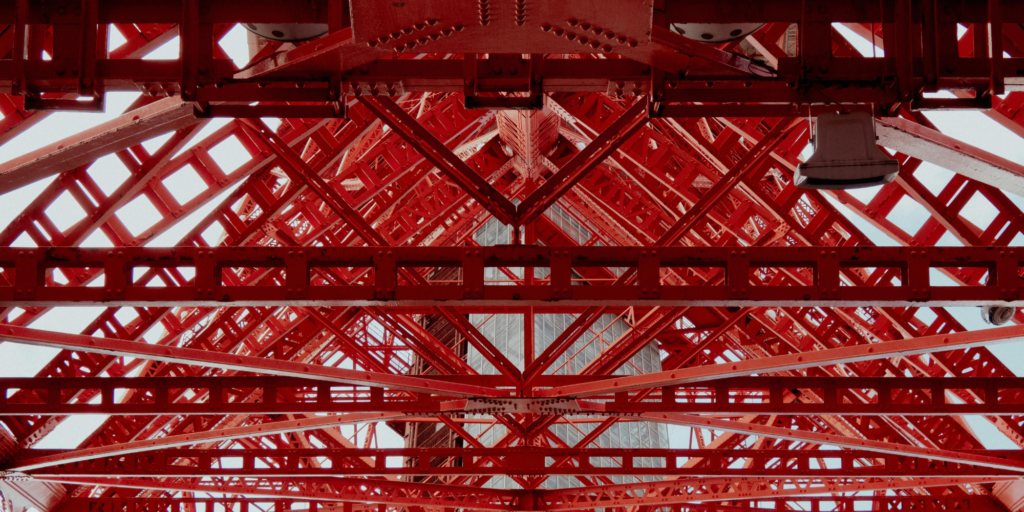
In today’s rapidly evolving industrial landscape, businesses demand infrastructure that is not only strong but also scalable, efficient, and future-ready. From massive logistics hubs to high-tech data centers, the backbone of these modern facilities is industrial steel fabrication.
Steel has become the preferred material for industrial construction due to its unmatched durability, flexibility, and cost-effectiveness. As industries continue to expand and innovate, the role of steel fabrication becomes even more critical in delivering structures that can handle complex operational demands.
What is Industrial Steel Fabrication?
Industrial steel fabrication is the process of designing, cutting, shaping, and assembling steel components to create frameworks for large-scale industrial structures. These include:
- Warehouses
- Data centers
- Manufacturing plants
- Healthcare infrastructure
This process involves advanced engineering techniques, precision machinery, and skilled professionals to ensure every component meets exact specifications.
Why Industrial Construction Depends on Steel
Industrial construction demands three core elements: durability, scalability, and precision—and steel delivers on all fronts.
1. Exceptional Strength and Load Capacity
Steel structures are capable of supporting heavy machinery, large storage systems, and multi-level operations. This makes it ideal for industries that require high load-bearing capacity.
2. Scalability for Future Expansion
One of the biggest advantages of steel is its modular nature. Facilities can be easily expanded or modified as business needs grow, without compromising structural integrity.
3. Speed of Construction
Pre-fabricated steel components allow for faster on-site assembly, reducing project timelines and labor costs significantly.
4. Sustainability and Efficiency
Steel is 100% recyclable, making it an environmentally friendly choice for modern construction. It also reduces material waste and improves energy efficiency in buildings.
Industries That Rely on Industrial Steel Fabrication
Steel fabrication plays a crucial role across multiple industries. Here’s how it powers different sectors:
1. Warehouses & Distribution Centers
With the rise of e-commerce and global logistics, warehouses need to be larger, smarter, and more efficient than ever before.
Steel fabrication enables:
- Wide-span structures for maximum storage space
- High ceilings for vertical storage systems
- Durable frameworks for heavy inventory loads
These features allow businesses to optimize storage and streamline operations.
2. Data Centers
Data centers are the backbone of the digital economy, requiring highly secure and stable environments.
Steel structures provide:
- Strong support for heavy server equipment
- Fire resistance and safety compliance
- Flexibility for cooling and electrical systems
As demand for cloud computing and data storage increases, steel fabrication ensures data centers are built for performance and reliability.
3. Manufacturing Plants
Manufacturing facilities require robust structures that can handle constant activity and heavy machinery.
Steel fabrication offers:
- Resistance to wear and tear
- Custom layouts for production lines
- Easy integration of industrial equipment
This makes steel the ideal choice for factories aiming for efficiency and long-term durability.
4. Healthcare Facilities
Modern healthcare infrastructure requires precision-built environments that meet strict safety standards.
Steel is used for:
- Structural frameworks in hospitals
- Equipment support systems
- Expansion-ready designs for future upgrades
Its reliability and adaptability make it a trusted material in healthcare construction.
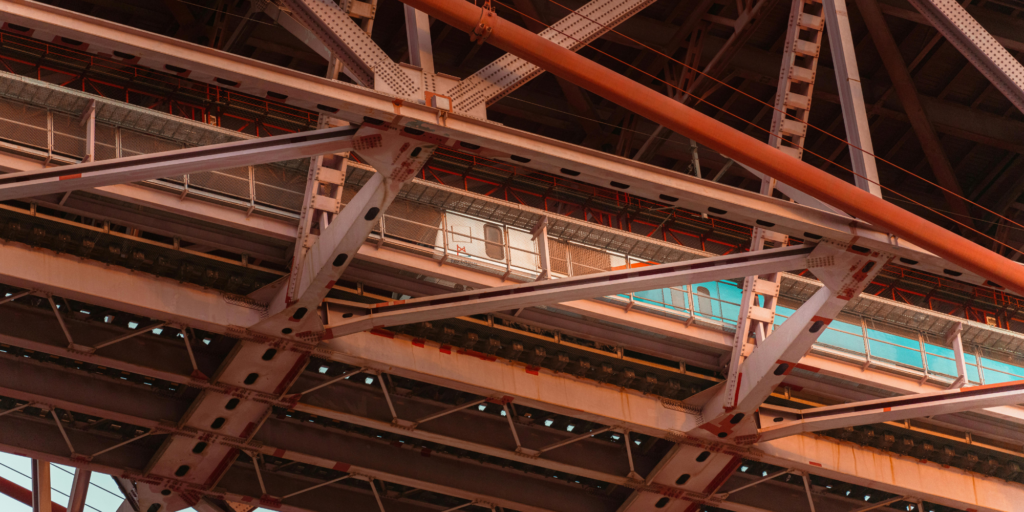
Why Steel is the Ideal Choice for Industrial Projects
Handles Heavy Loads
Steel’s high strength-to-weight ratio allows it to support significant loads without requiring excessive material, making it both strong and efficient.
Long Lifespan
Steel structures are resistant to corrosion, pests, and environmental damage, ensuring decades of reliable performance with minimal maintenance.
Flexible Design Capabilities
Steel can be molded into virtually any shape, allowing architects and engineers to create customized designs tailored to specific operational needs.
The Role of Expert Steel Fabrication Companies
Choosing the right steel fabrication partner is essential for the success of any industrial project. Experienced companies bring:
- Advanced fabrication technology
- Skilled engineering teams
- Efficient project management
- Compliance with safety and industry standards
Pro Steel Services serves a wide range of industries, including IT, healthcare, and logistics sectors, delivering high-quality steel solutions tailored to complex industrial requirements.
Their expertise ensures that every project is executed with precision, efficiency, and reliability.
Future Trends in Industrial Steel Fabrication
As technology advances, steel fabrication continues to evolve. Key trends include:
- Building Information Modeling (BIM): Enhancing accuracy and collaboration
- Automation & Robotics: Improving precision and reducing labor costs
- Sustainable Construction Practices: Reducing carbon footprint
- Smart Warehousing: Integrating IoT and AI systems into steel structures
These innovations are shaping the future of industrial construction, making steel fabrication more efficient and intelligent than ever before.
Conclusion
Industrial steel fabrication is more than just a construction process—it is the foundation of modern infrastructure. From warehouses and data centers to manufacturing plants and healthcare facilities, steel enables industries to operate efficiently, scale rapidly, and innovate confidently.
With its unmatched strength, flexibility, and sustainability, steel fabrication continues to power the growth of industrial sectors worldwide.
In a world driven by speed, technology, and expansion, steel fabrication remains the backbone of modern industrial infrastructure.