Discover the most common steel erection challenges and how to overcome them with expert solutions, proper planning, and advanced construction techniques.
Steel erection is a critical phase in any construction project, forming the backbone of commercial, industrial, and infrastructure developments. While steel offers unmatched strength and flexibility, the erection process comes with its own set of challenges.
From safety risks and weather conditions to coordination issues and tight deadlines, even minor setbacks can lead to significant delays and increased costs. Understanding these challenges—and knowing how to overcome them—can make the difference between a successful project and a costly failure.
What Is Steel Erection?
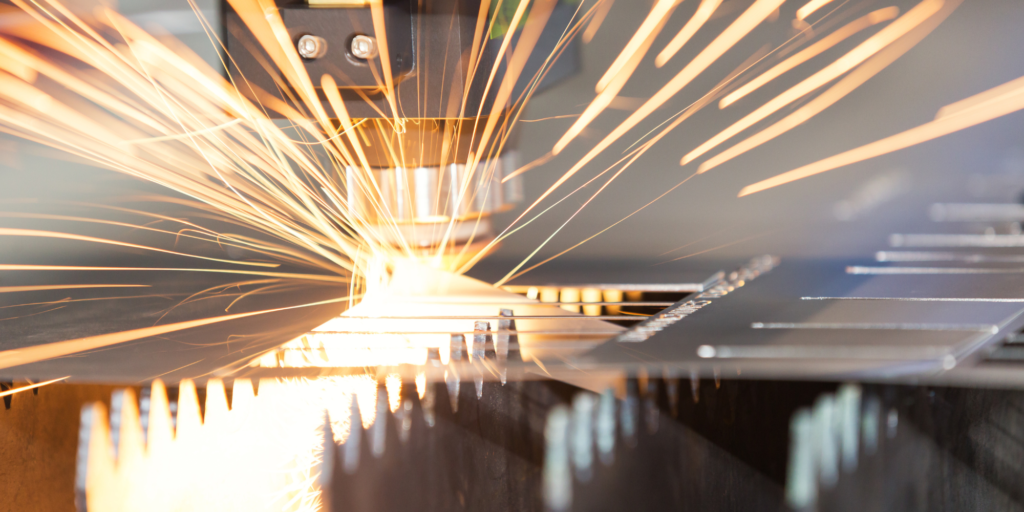
Steel erection involves the installation and assembly of structural steel components such as beams, columns, and trusses at the construction site. This stage requires precision, skilled labor, and advanced equipment to ensure structural integrity and safety.
Top Steel Erection Challenges
⚠️ 1. Safety Risks on Site
Steel erection is inherently risky due to working at heights, heavy lifting, and complex equipment usage.
Common Issues:
- Falls from heights
- Equipment-related accidents
- Improper use of safety gear
How to Overcome It:
- Implement strict safety protocols
- Conduct regular safety training
- Use proper personal protective equipment (PPE)
- Perform daily safety inspections
👉 A strong safety-first culture significantly reduces accidents and improves project efficiency.
🌦️ 2. Weather Conditions
Weather plays a major role in steel erection projects. High winds, rain, or extreme temperatures can delay operations and increase risks.
Common Issues:
- Crane operation limitations
- Slippery surfaces
- Reduced visibility
How to Overcome It:
- Monitor weather forecasts closely
- Adjust schedules proactively
- Use weather-resistant safety measures
- Pause operations during hazardous conditions
📐 3. Misalignment of Steel Components
Even small inaccuracies in fabrication or placement can lead to alignment issues during erection.
Common Issues:
- Difficulty in fitting components
- Structural instability
- Time-consuming adjustments
How to Overcome It:
- Use precise measurements and quality fabrication
- Implement pre-assembly checks
- Utilize advanced technologies like BIM
- Ensure skilled supervision on-site
👷 4. Shortage of Skilled Workforce
Steel erection requires experienced professionals, including ironworkers, crane operators, and supervisors.
Common Issues:
- Poor workmanship
- Increased errors
- Delays in project completion
How to Overcome It:
- Hire certified and experienced workers
- Provide ongoing training
- Work with professional steel contractors
- Maintain strong project leadership
🏗️ 5. Equipment and Crane Limitations
Handling heavy steel components requires advanced machinery and proper planning.
Common Issues:
- Equipment breakdowns
- Insufficient lifting capacity
- Poor crane positioning
How to Overcome It:
- Use modern, well-maintained equipment
- Plan crane operations in advance
- Conduct regular equipment inspections
- Partner with experienced operators
⏱️ 6. Project Delays and Timeline Issues
Delays in steel erection can affect the entire construction schedule.
Common Issues:
- Poor coordination between teams
- Late material delivery
- Unexpected site conditions
How to Overcome It:
- Develop a detailed project timeline
- Improve communication across teams
- Use project management tools
- Ensure timely material supply
📦 7. Logistics and Material Handling
Transporting and managing steel components on-site can be complex.
Common Issues:
- Limited storage space
- Material damage
- Inefficient handling
How to Overcome It:
- Plan logistics in advance
- Optimize site layout
- Use proper storage techniques
- Coordinate deliveries efficiently
The Role of Experience in Overcoming Challenges
One of the most important factors in handling steel erection challenges is industry experience. Experienced contractors understand potential risks and implement proactive solutions.
Professional companies bring:
- Proven workflows
- Skilled teams
- Advanced technology
- Strong safety practices
This ensures projects are completed with precision, efficiency, and reliability.
Best Practices for Successful Steel Erection
To ensure smooth project execution, follow these best practices:
✔ Conduct thorough pre-project planning
✔ Prioritize safety at every stage
✔ Use skilled and certified professionals
✔ Invest in modern equipment
✔ Maintain clear communication
✔ Monitor progress continuously
Future Trends in Steel Erection
The industry is evolving with innovations such as:
- Building Information Modeling (BIM) for accurate planning
- Automation and prefabrication
- Smart safety systems
- Advanced lifting technologies
These advancements help reduce risks and improve overall project outcomes.
Steel erection is a complex yet essential part of modern construction. While challenges are inevitable, they can be effectively managed with proper planning, skilled workforce, advanced equipment, and strong project management.
By understanding these common challenges and implementing the right strategies, you can ensure your project is completed safely, on time, and within budget.
Partnering with experienced professionals ensures that every aspect of your steel structure is built to last—delivering strength, stability, and long-term success.